The Best App for Fixing IELTS Pronunciation Fast
"Practice more" doesn't tell you what to do. Get sound-by-sound feedback on your real speech, free, and find out exactly what to fix first.
Pronunciation is the IELTS Speaking criterion students avoid the most, because unlike a grammar mistake, you often can't hear your own pronunciation habit — your brain already knows what you meant to say and fills the gap automatically. Talking more without feedback just repeats whatever habit you already have.
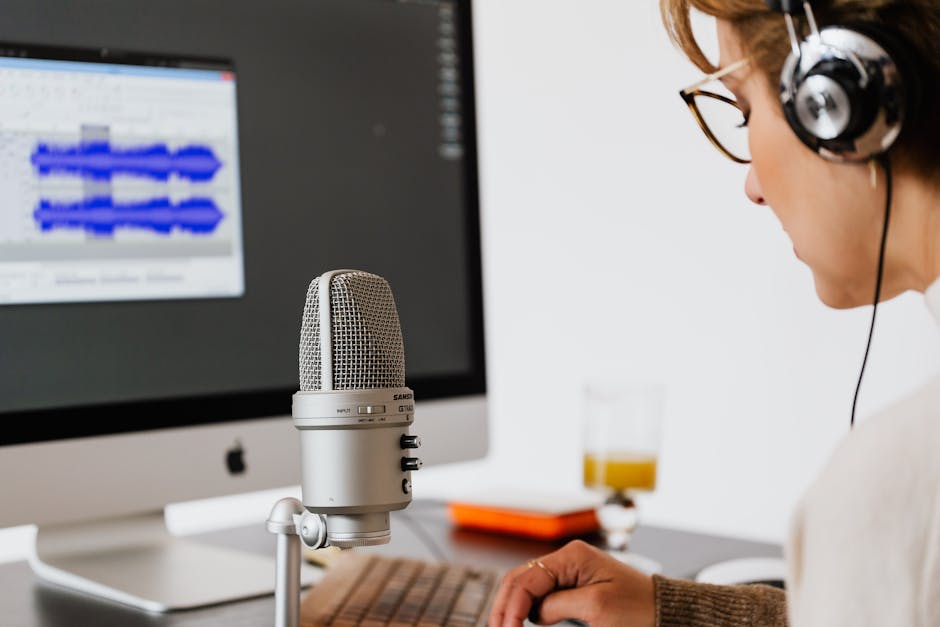
It's not about "sounding native"
IELTS Pronunciation is scored on intelligibility — how easily a listener follows you — plus word stress, sentence stress and intonation, and the accuracy of sounds that matter for understanding. A strong, clear accent with good stress can score very well. A flat, monotone delivery can still lose marks even with correct individual sounds.
Get your real speech analyzed here
The Accent Scan listens to your real, recorded speech and gives you specific, sound-by-sound feedback instead of generic advice — so you know exactly which habit to work on first.
FAQ
What's the best app for improving IELTS pronunciation?
One that analyzes your actual recorded speech sound by sound, rather than giving generic advice. ActuallySpeak's Accent Scan listens to your real speech and tells you exactly which sound or stress pattern to fix first.
Does having an accent lower my IELTS score?
No — Pronunciation is scored on intelligibility, not on sounding native. A strong, clear accent scores well; unclear stress and intonation are what cost marks.
Why can't I just tell if my pronunciation is wrong?
Your brain automatically understands what you meant to say, so you can't hear your own pronunciation the way an outside listener does — which is exactly why it's the hardest criterion to self-correct without feedback.
Want free extra practice and a community of IELTS learners? Join the free Smooth English Fluency Clan on Skool for extra resources, accountability and a place to ask questions between lessons.